

THE FUTURE
OF TOURISM

Innovation serves as a powerful force propelling us towards extraordinary progress. 

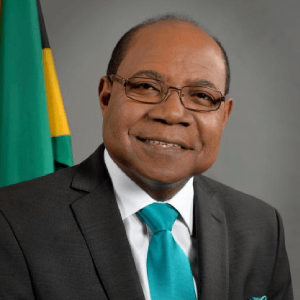
Message from
Hon. Edmund Bartlett,
Minister of Tourism

OJ, CD, MP, Hon. LLD

Jamaica’s tourism industry is undergoing its most significant transformation yet. Tourism 3.0 is not simply a policy framework, it is a fundamental reimagining of how our industry creates…

Hon. Edmund Bartlett, Minister of Tourism

Hon. Edmund Bartlett

Minister of Tourism, Jamaica

Jamaica's tourism industry is undergoing its most significant transformation yet. Tourism 3.0 is not simply a policy framework, it is a fundamental reimagining of how our industry creates wealth for Jamaican people, driven by a bold "Local First" mandate that puts Jamaicans at the centre of our industry's future.

Technology is the engine of this transformation, and the Tourism Innovation Incubator is where that engine gets built. By identifying and equipping the next generation of Jamaican entrepreneurs, the Incubator turns vision into reality, one innovative solution at a time.

Tourism 3.0 is a whole-of-society project. It calls on entrepreneurs, innovators, and problem-solvers to help reshape an industry that touches every corner of Jamaican life. The ideas we need already exist; they may very well exist in you. I invite you to bring them forward.

Our Challenge & Rules & Guidelines

Mentorship Access

The incubator will also facilitate or provide access to more training, direct coaching, and mentoring necessary to take the idea to market.

Application Start &
End Dates

Applications will be accepted between May 22, 2026 and June 10, 2026 @ 11:59pm.

15 Innovative Ideas

The Tourism Incubator will seek to find 15 innovative ideas in the areas of tourism products and tourism technology and set them on the path to commercialization through the Tourism Innovation Incubator Boot Camp

Online Submission

To become eligible, you must submit your Tourism idea by completing the online form. A short video recording pitching your idea is also welcome
(60-seconds maximum).

Watch the Vision

This video series supports innovators on their journey through the Tourism Enhancement Fund’s Tourism Innovation Incubator Programme, equipping them with the tools to grow, adapt, and thrive.

15 Innovative Ideas

The Tourism Incubator will seek to find 15 innovative ideas in the areas of tourism products and tourism technology and set them on the path to commercialization through the Tourism Incubator Boot Camp

Mentorship Access​

The incubator will also facilitate or provide access to more training, direct coaching, and mentoring necessary to take the idea to market.

Online Submission​

To become eligible, you must submit your Tourism idea by completing the online form. A short video recording pitching your idea is also welcomed.

Application Start & End Dates​

Applications will be accepted between May 22, 2026 and June 10, 2026 @ 11:59pm.

Apply Online

Participants must make their submissions through the website and associated forms only.

The application has two parts:

Part A

A 60-second pitch about your idea. In the video you must outline the following:

I) Your name

II) The name of the innovation and brief description of what it is.

III) The importance of this idea to tourism in Jamaica including the problem or gap that the innovation addresses.

IV) Why do you think we should select you?

Part B

An application form to be completed online.

DEADLINE

Applications will be accepted between May 22, 2026 and June 10, 2026 @ 11:59pm.

Eligibility
Criteria

To participate in the Tourism Innovation Incubator, the participant must meet the following criteria

Other important notes

Submission Criteria

The idea must fall directly or indirectly within tourism

The TEF is encouraging individuals to submit ideas falling within the broad categories of:

TOURISM PRODUCTS

According to the United Nations World Tourism Organization, a tourism product is "a combination of tangible and intangible elements, such as natural, cultural and man-made resources, attractions, facilities, services and activities around a specific centre of interest which represents the core of the destination marketing mix and creates an overall visitor experience including emotional aspects for the potential customers." While all ideas in the "tourism product" category are welcome, participants can be guided by submitting ideas in the following categories:

  • Health and Wellness
  • Eco-Tourism
  • Cultural Heritage
  • Gastronomy
  • Sports and Entertainment

TECHNOLOGY IN TOURISM

Throughout the years, incremental and disruptive technology innovations have been introduced to tourism to enhance tourism business models (e.g. Immigration kiosks at airports and AirBnb) or to create brand new experiences (e.g. virtual reality products). Technology can be used to improve tourism processes, resolve perceived tourism issues or enhance tourism products. Participants, therefore, are welcome to submit ideas on the development and/or implementation of technology in tourism.

The idea must be an innovation or an invention

Innovation is defined as a change that creates and/or adds value and provides a competitive advantage here and now. These may fall in the categories of new products, new services, new production methods, new forms of organization and new markets.

The Incubator aims to focus on innovative ideas which fall into four broad categories:

  • BREAKTHROUGH INNOVATION – USING EXISTING TECHNOLOGY IN A NEW BUSINESS MODEL, OR USING NEW TECHNOLOGY IN AN EXISTING BUSINESS MODEL WHICH DISRUPTS THE EXISTING MARKET.
  • RADICAL INNOVATION – USING NEW TECHNOLOGY AND A NEW BUSINESS MODEL.
  • DISRUPTIVE INNOVATION – NEW BUSINESS MODELS THAT EVENTUALLY REPLACE TRADITIONAL BUSINESS MODELS.
  • INVENTION – A NEW, ORIGINAL PRODUCT (I.E. NEVER BEEN DONE BEFORE).

**The idea does not have to be a technological innovation or invention.

The idea must be useful and add value

The Incubator will support ideas that are useful and relevant, or practical in nature from its function to its design. This criterion emphasizes the difference between just ideating and ideating for a purpose. Usefulness can be determined, for example, by identifying gaps in market research and looking at market demand, and then seeing how the idea responds to this.

The commercialization of the idea must finally add value. Each participant must outline how the idea will add value to the tourism landscape and provide indicators for measuring same, e.g. tourism spend, visitor satisfaction, contribution to the tourism workforce etc.

The idea must have a significant effect on the tourism industry. While this criterion could be considered ambiguous, it is the criterion that separates a basic improvement from a contribution to Destination Jamaica. The participant must outline that, in addition to being profitable, should the idea become a product it will:

  • Give Destination Jamaica international recognition;
  • Instantly provide jobs to more than 20 people;
  • Add a unique attraction to the tourism product;
  • Significantly reduce any negative tourism impacts (e.g. environmental) or problems in tourism.

Programme Details

Selected participants will take part in a 7-month programme. A cadre of experienced facilitators and mentors will provide guidance to participants in the following areas:

  • Refining their ideas;
  • Creating and validating their Lean Canvas and Business Model;
  • Executing market research;
  • Providing intellectual property protection; and
  • Constructing a 3D digital prototype of the product.

At the end of the programme the TEF will provide participants with a platform to pitch their validated business ideas to industry leaders. Participants will have the benefit of leveraging the brand of the TEF endorsing the resulting products.

The idea must fall directly or indirectly within tourism

The TEF is encouraging individuals to submit ideas falling within the broad categories of:

TOURISM PRODUCTS AND/OR

TECHNOLOGY IN TOURISM

TOURISM PRODUCTS

According to the United Nations World Tourism Organization, a tourism product is “a combination of tangible and intangible elements, such as natural, cultural and man-made resources, attractions, facilities, services and activities around a specific centre of interest which represents the core of the destination marketing mix and creates an overall visitor experience including emotional aspects for the potential customers.” While all ideas in the “tourism product” category are welcome, participants can be guided by submitting ideas in the following categories:

Health and wellness

Eco-Tourism

Cultural Heritage

Gastronomy

Sports and Entertainment

TECHNOLOGY IN TOURISM

Throughout the years, incremental and disruptive technology innovations have been introduced to tourism to enhance tourism business models (e.g. Immigration kiosks at airports and AirBnb) or to create brand new experiences (e.g. virtual reality products). Technology can be used to improve tourism processes, resolve perceived tourism issues or enhance tourism products. Participants, therefore, are welcome to submit ideas on the development and/or implementation of technology in tourism.

The idea must be an innovation or an invention

Innovation is defined as a change that creates and/or adds value and provides a competitive advantage here and now. These may fall in the categories of new products, new services, new production methods, new forms of organization and new markets.

The Incubator aims to focus on innovative ideas which fall into four broad categories:

Breakthrough innovation – Using existing technology in a new business model, or using new technology in an existing business model which disrupts the existing market.
Radical Innovation – Using new technology and a new business model.

Disruptive innovation – new business models that eventually replace traditional business models.

Invention – a new, original product (i.e. never been done before).

**The idea does not have to be a technological innovation or invention.

The idea must be useful and add value

The Incubator will support ideas that are useful and relevant, or practical in nature from its function to its design. This criterion emphasizes the difference between just ideating and ideating for a purpose. Usefulness can be determined, for example, by identifying gaps in market research and looking at market demand, and then seeing how the idea responds to this.

The commercialization of the idea must finally add value. Each participant must outline how the idea will add value to the tourism landscape and provide indicators for measuring same, e.g. tourism spend, visitor satisfaction, contribution to the tourism workforce etc.

The idea must have a significant effect on the tourism industry. While this criterion could be considered ambiguous, it is the criterion that separates a basic improvement from a contribution to Destination Jamaica. The participant must outline that, in addition to the being profitable, should the idea become a product it will:

Give Destination Jamaica international recognition;

Instantly provide jobs to more than 20 people;

Add a unique attraction to the tourism product;

Significantly reduce any negative tourism impacts (e.g. environmental) or problems in tourism; or

Improve the welfare of tourism workers.

Selected participants will take part in a 6-month programme. A cadre of experienced facilitators and mentors will provide guidance to participants in the following areas:

Refining their ideas;

Creating and validating their lean canvas and business model;

Executing market research;

Providing intellectual property protection; and

Constructing a 3D Digital prototype of the product.

At the end of the programme the TEF will provide participants with a platform to pitch to potential investors and facilitate access to potential funding partners in debt, equity and grant financing. Participants will have the benefit of leveraging the brand of the TEF endorsing the resulting products.

Message from Hon. Edmund Bartlett, Minister of Tourism